
What Is a Mortise Lock and Why Chicago Buildings Rely on Them
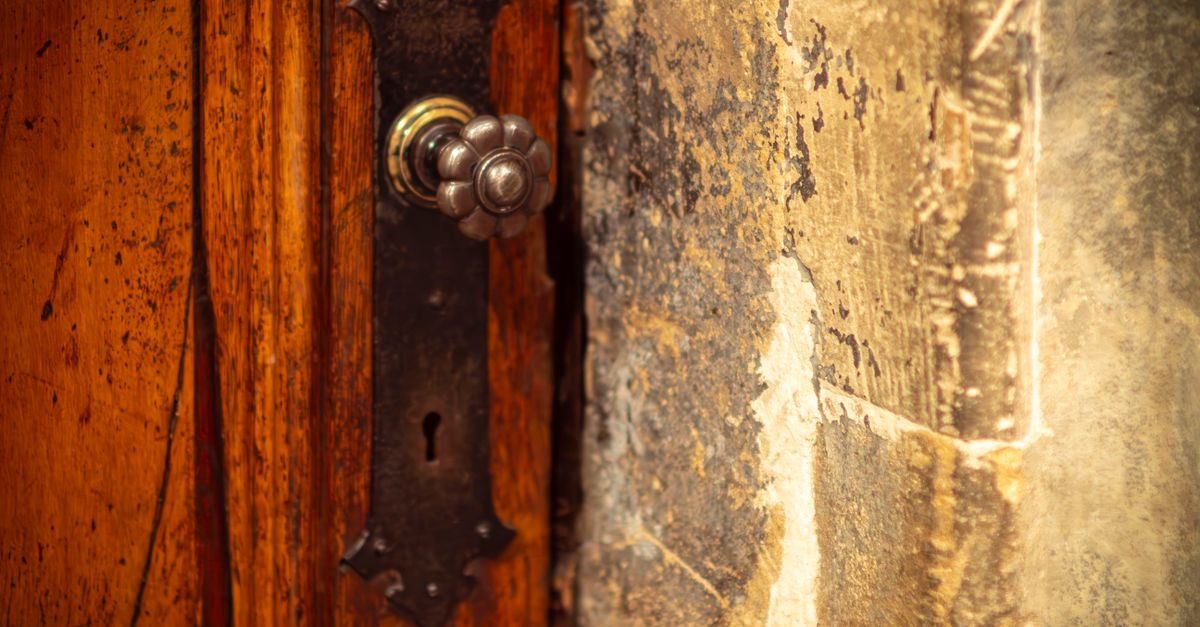
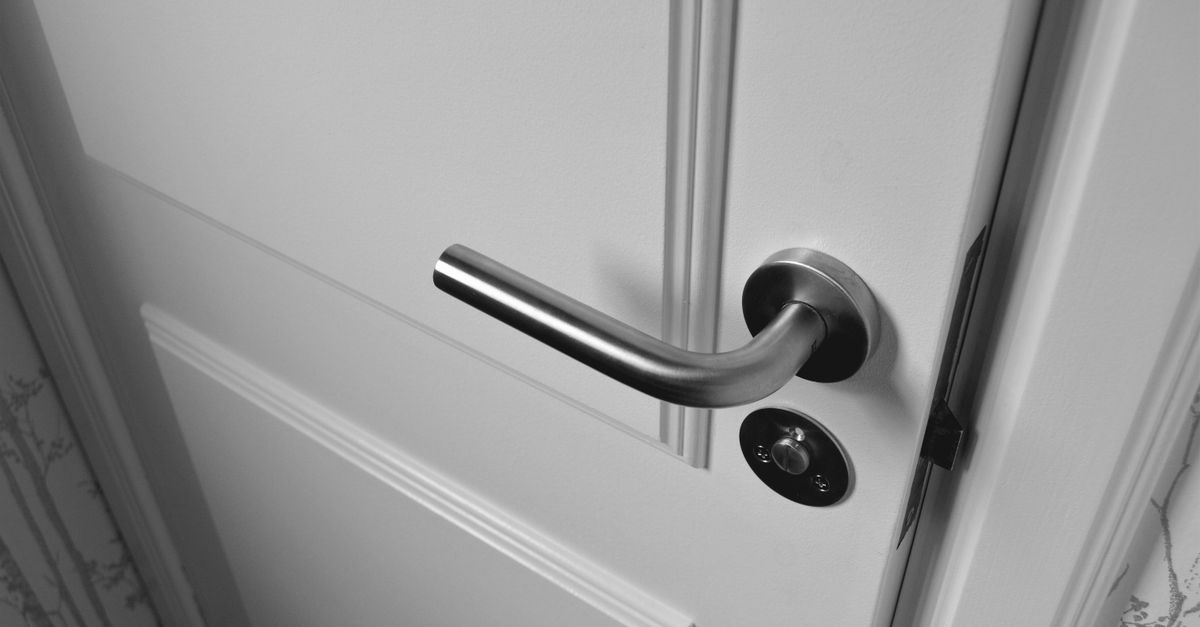
A mortise lock is a complete locking mechanism housed inside a metal case that fits into a precisely routed cavity in the door's edge — unlike a cylindrical lock, which mounts through a simple bored hole. Because the case is embedded rather than surface-mounted, the hardware is significantly more tamper-resistant and better suited to the heavy solid-wood and steel doors common in Chicago's pre-war architecture. A full mortise lock set typically includes the lock body, a trim plate (escutcheon), a door knob lock or lever handle on each side, a cylinder for keyed entry, and a strike plate recessed into the door frame. Each component works in concert, which is also why a failure in one part — say, a worn mortise lock cylinder — can render the entire assembly inoperable.
You'll find these mechanisms on everything from vintage single-family homes in Edgewater to ground-floor retail storefronts along Bryn Mawr Avenue. Commercial buildings often specify heavy-duty models from manufacturers like Corbin Russwin or Baldwin because those lines are engineered for high-cycle use, ADA-compliant lever trim, and integration with access-control systems. Residential owners frequently encounter Baldwin mortise lock hardware on ornate Victorian-era doors, where the decorative escutcheon is as important as the security function beneath it. Understanding the anatomy of the lock helps you describe the problem accurately when you call — and helps our technicians arrive with the right parts the first time.