Why Commercial Mortise Locks Are the Standard for Serious Business Security
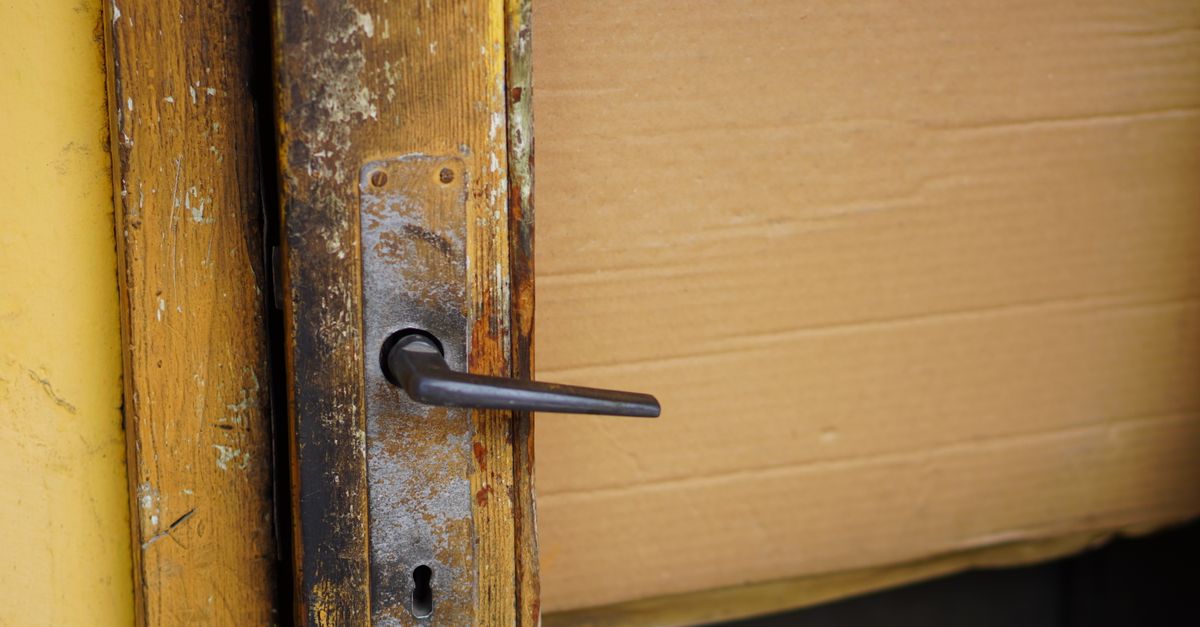
A mortise lock differs fundamentally from a cylindrical lockset. Instead of a self-contained unit that bolts onto the door surface, a mortise lock body is set into a precisely cut pocket — the mortise — inside the door edge. This recessed installation transfers stress from the latch and deadbolt directly into the door's structural core rather than relying on thin metal screws against a surface mount. The result is a lock body that resists kick-in, prying, and repeated heavy use far better than surface-mounted alternatives. For Chicago business owners dealing with strong Lake Michigan winds slamming doors and high daily traffic from commuters, that structural integrity matters enormously.
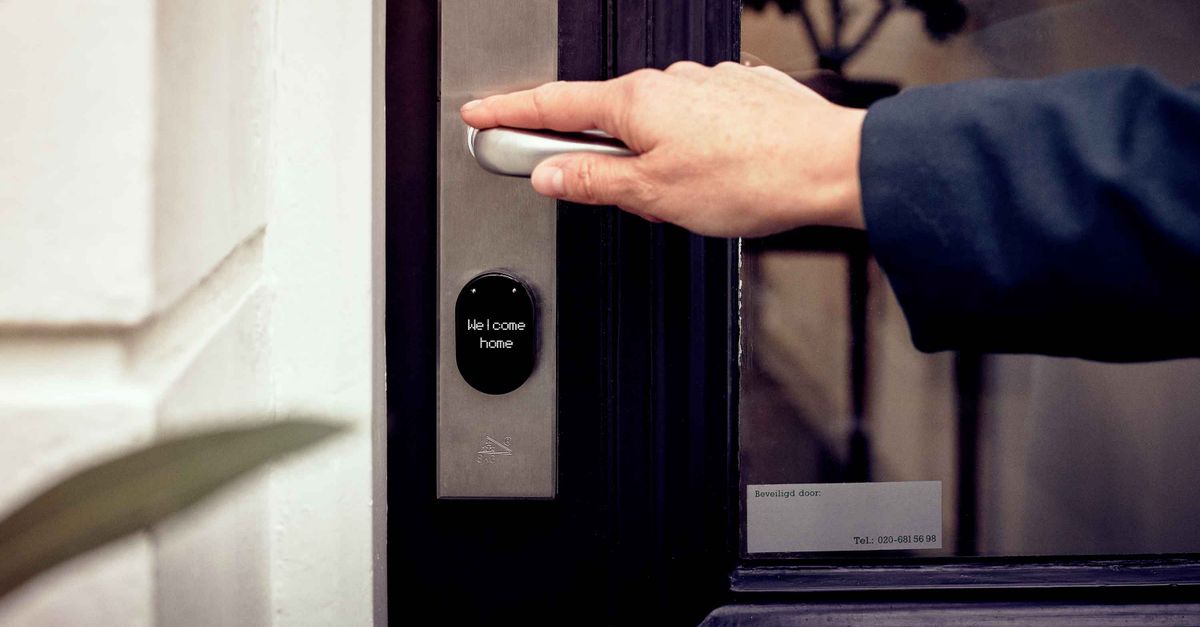
Understanding the difference between mortise locks vs. cylinder locks also matters when you are upgrading an existing door. Cylindrical locksets are faster to install on new construction, but they leave a larger visible hardware footprint and offer fewer configuration options for commercial key systems. A commercial mortise lock set, by contrast, can be ordered or configured with a wide range of trim options — lever handles, knob handles, escutcheon plates, and deadbolt positions — and it accommodates grandmaster key systems that let a property manager control dozens of suites with a single master key. That flexibility is why building engineers in Chicago's commercial corridors have relied on mortise hardware for generations.