What Makes Nissan Car Key Replacement More Complex Than You Expect
Nissan has used several generations of key technology across its lineup, and the type of key your vehicle requires directly affects how replacement is handled. Older Nissan models from the late 1990s and early 2000s used basic metal keys with no electronic component — these are straightforward to cut on-site. From roughly 2001 onward, most Nissans moved to transponder keys, which embed a small microchip inside the plastic head of the key. That chip must be programmed to match your car's immobilizer, or the engine will crank but refuse to start. If you've ever had a key cut at a grocery-store kiosk only to find the car won't start, a missing transponder program is almost certainly why.
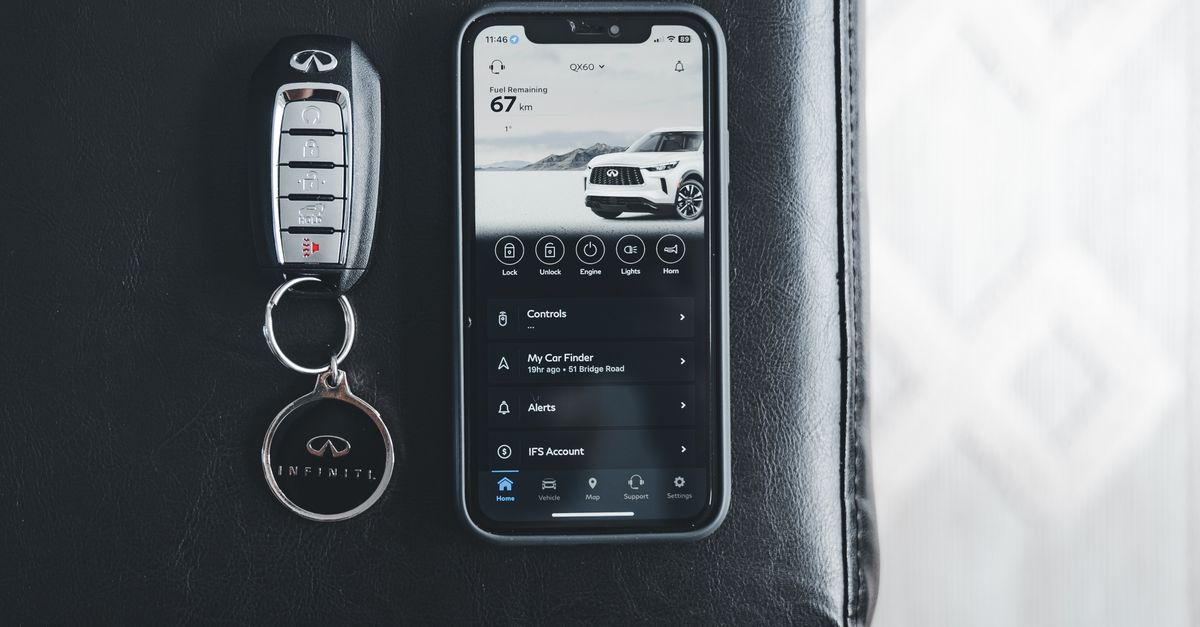
More recent Nissan models — including many Rogue, Altima, and Maxima trims from the mid-2010s to today — use Intelligent Key fobs with proximity sensors and push-button start. These require both a functioning remote and a programmed transponder signal, meaning there are two layers of programming to complete correctly. Our technicians arrive with OBD-based programming tools that communicate directly with your Nissan's ECU, ensuring the new key or fob is recognized by every relevant system before we leave your location. We stock a wide range of Nissan key blanks and aftermarket fob shells so that most jobs are completed in a single visit — often significantly faster than scheduling a dealer appointment and arranging a tow.