
What Break-In Damage Actually Looks Like — and Why It Goes Deeper Than You Think
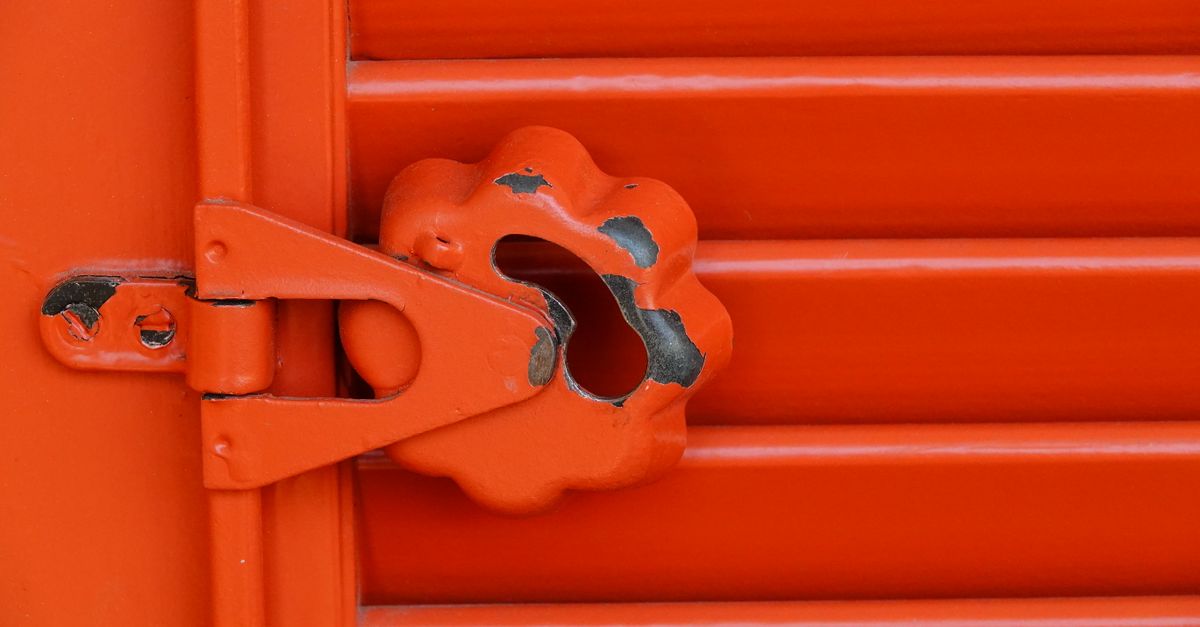
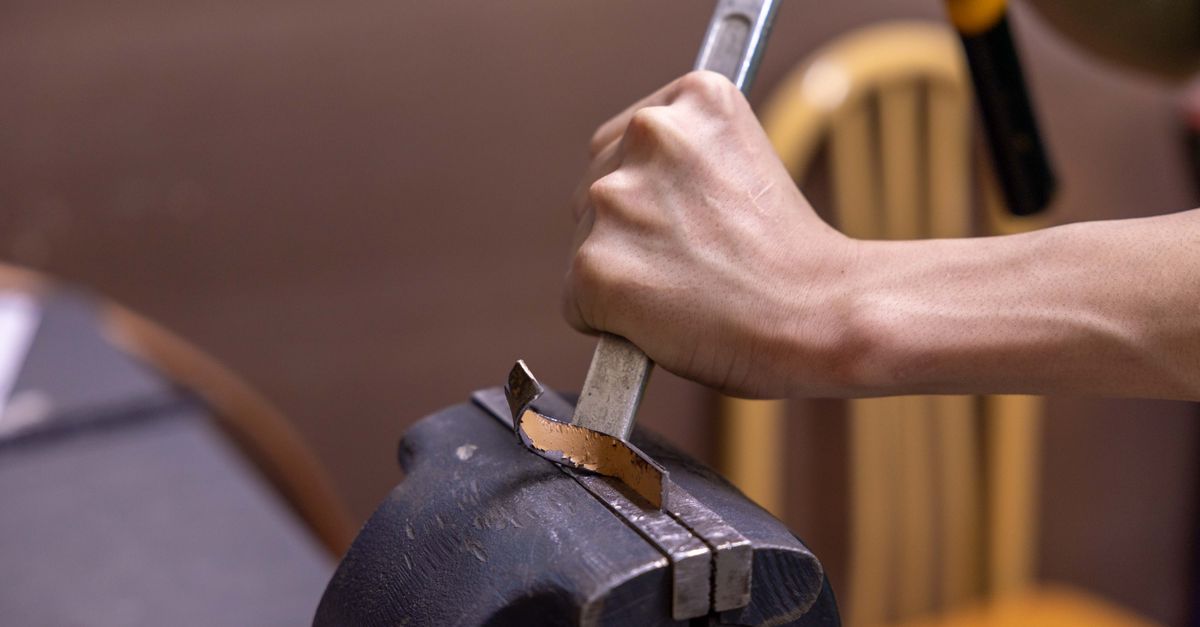
Most burglars do not pick locks — they force them. A kicked door typically splinters the door frame at the strike plate, compresses the jamb, and can crack the door slab itself, even when the door appears to swing shut and latch afterward. A door knob lock that has been wrenched or bypassed often has a damaged latch mechanism inside the knob body that will fail again under normal use. Mortise lock break-in attempts — common on vintage Chicago two-flats and courtyard buildings — frequently bend the lock case, shear the cam, or strip the spindle, leaving the lock feeling stiff or loose but not actually secure. Our technicians assess all of these failure points, not just the most visible damage.
The hidden danger after a forced entry is a door that looks closed but is not truly locked. A bent strike plate, a cracked frame, or a mortise lock with a damaged bolt throw can give a false sense of security. We do a full mechanical inspection of every affected entry point — hinges, frame integrity, lock cylinder, bolt throw, and strike plate depth — before we recommend and carry out repairs. This thoroughness is what separates genuine break-in damage repair from a quick patch job that fails the next time someone tests the door.