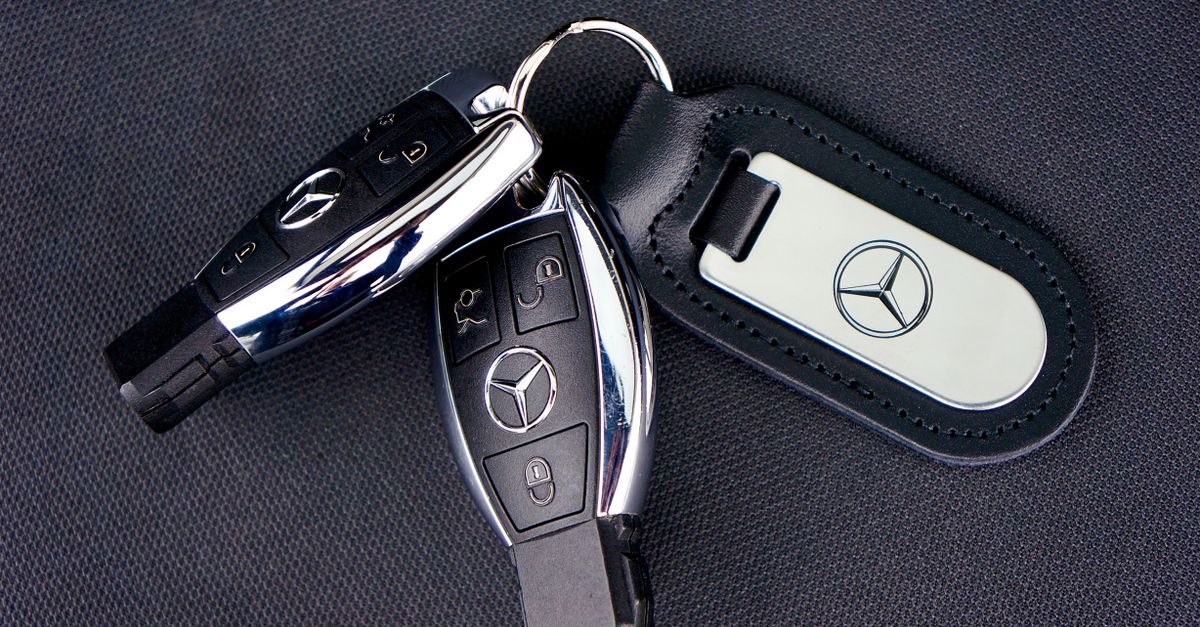
BMW Car Key Replacement: What Makes It More Complex Than a Standard Key
BMW has layered multiple security technologies into its keys since the mid-1990s, and each generation adds complexity. Early models used a basic transponder chip — a passive electronic tag embedded in the key head that communicates with the car's immobilizer and must be synchronized to allow the engine to start. Later models introduced remote fobs with rolling-code encryption, meaning the signal between the fob and the car changes with every press, making duplication by ordinary hardware-store key machines impossible. More recent BMWs — including 3 Series, 5 Series, X3, and X5 models — use Display Key technology or full Comfort Access smart keys that communicate with the car passively; the vehicle detects the key in your pocket and unlocks automatically when you touch the door handle. Each layer of technology requires a different service approach: key cutting, transponder cloning or fresh programming, remote pairing, or full smart-key initialization via the OBD port. Our technicians are experienced with all of these systems and carry equipment that handles the full range of BMW key generations.
One detail many BMW owners don't realize: if your car currently has no working key at all — meaning the original was lost, not just a spare being added — the programming process is more involved because the vehicle must accept a completely fresh key with no reference signal to learn from. This is called an 'all keys lost' situation, and it's one of the scenarios where an experienced automotive locksmith is especially valuable. We handle all-keys-lost BMW programming regularly across Chicago, from older E46 3 Series to current G-generation X models, without requiring a dealer visit or a flatbed.